Join Smart Traders

Weekly market insights, trading strategies & risk tips — free.

No spam. Unsubscribe anytime.

Stop-Loss Is Not a Loss: Why Every Successful Trader Uses It

Stop-Loss is Not a Loss – It's Your Life Jacket | Trading Psychology

🛡️ Stop-Loss is Not a Loss – It's Your Life Jacket

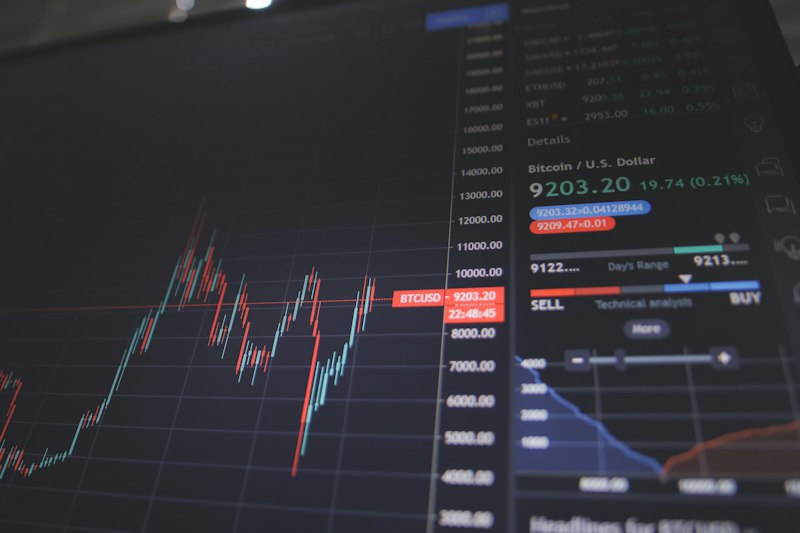
Modern financial trading dashboard with colorful market graphs and data

The biggest misunderstanding in the trading world is that getting your stop-loss hit is a 'loss'. In reality, taking a stop-loss is not a defeat—it's a small "fee" you pay to the market that gives you the chance to stand again tomorrow.

🔥 The Hard Truth: The new trader's biggest enemy is ego and false hope. When a trade goes into loss, our brain starts lying to us: "Just hold a little longer, it will reverse." This hope turns a small scratch into a gaping wound.

An experienced player knows that the market is ruthless—it doesn't care about your feelings, your needs, or your prayers. So when you're proven wrong, accepting your mistake and cutting the trade is not cowardice; it's the highest wisdom. You don't need to be right every time to make money in the market, but how little you lose when you're wrong determines the longevity of your career.

Focused professional trader analyzing stock market trends on multiple screens

Why Cutting a Small Loss Takes Guts

It takes courage to book a small loss. Watching a loss on the screen and voluntarily pressing the 'Exit' button goes against human nature—it hurts. But this "sweet pain" is what saves you from major destruction. The market is like quicksand: if you don't cut off your finger when it gets stuck, it will slowly swallow your whole hand, and then your entire body.

Those who don't set a stop-loss, or keep sliding it lower, are essentially trying to fight the market. And no one has ever beaten the market. The successful trader isn't the one who never loses; it's the one who keeps their losses small and their profits large.

📉 The Power of Small Losses vs. Big Drawdowns

A 10% loss requires 11% gain to recover; a 50% loss requires 100% gain. Stop-loss keeps you in the game.

This chart shows two scenarios: a trader who uses a strict 5% stop-loss (green) vs. a trader who holds and lets losses run (red). Over 20 trades, the disciplined trader preserves capital and recovers faster, while the undisciplined trader faces a devastating drawdown from which recovery is nearly impossible.

The Psychology Behind the Stop-Loss

Your mind will scream at you to "just wait" when a trade goes against you. That's your ego trying to protect itself. But the market doesn't care about your ego—it only cares about price. By admitting you were wrong quickly, you free yourself to take the next opportunity with a clear mind.

Think of stop-loss as your life jacket. You may not need it every day, but when the storm hits, it keeps you afloat. As long as your capital is alive, you are alive. A blown-up account cannot trade another day.
Bright red life jacket floating on blue water symbolizing safety and capital protection
💡 The Golden Rule: "Small losses are the tuition fees you pay to the market. Pay them willingly, and you'll graduate to consistent profits."

So, stop treating your stop-loss as an enemy. Embrace it as your most trusted ally. It's not a sign of weakness—it's a sign of discipline. And discipline is the only edge that lasts in the markets.

Trade with a plan. Cut losses fast. Let winners run.

Author
Trading Psychology Desk

We help traders master their emotions and build disciplined trading systems. Risk management is the foundation of all success.

Disclaimer: This content is for educational purposes only and does not constitute financial advice. Trading involves risk. Always use stop-loss orders and manage your risk according to your personal financial situation.

Smart traders on Fundamental vs Technical Analysis

Introduction

This is one of the most common questions in trading. Both methods aim to make money but use very different approaches.


Fundamental Analysis

Focuses on:

Used by: Investors


Technical Analysis

Focuses on:

Used by: Traders


Key Differences


Which Is Better?

👉 Neither is superior alone

Best approach:


Hybrid Strategy (Best for Retail Traders)

  1. Pick fundamentally strong stocks

  2. Use technical analysis for timing

  3. Control risk with stop-loss


Conclusion

Smart traders use both tools together instead of choosing sides.


Technical Analysis Basics (Beginner Friendly) Guide for Beginners

What Is Technical Analysis?

Technical analysis studies price, volume, and charts to predict future price movement. It assumes:

  • Price discounts everything

  • History repeats

  • Trends persist


Types of Charts

  • Line Chart

  • Bar Chart

  • Candlestick Chart (most popular)

Key Candlestick Patterns

  • Doji – Indecision

  • Hammer – Reversal

  • Engulfing – Strong momentum


Support & Resistance

  • Support: Buying zone

  • Resistance: Selling zone


Popular Technical Indicators

1. Moving Average (20, 50, 200)

  • Trend direction

2. RSI (Relative Strength Index)

  • Overbought (>70)

  • Oversold (<30)

3. MACD

  • Trend + momentum


Trend Types

  • Uptrend

  • Downtrend

  • Sideways


Basic Trading Setup Example

  • Stock above 50 DMA

  • RSI above 40

  • Volume breakout

  • Stop-loss below support


Limitations of Technical Analysis

  • Not 100% accurate

  • False breakouts

  • Needs discipline


Conclusion

Technical analysis is a probability game, not prediction. Combine it with risk management for consistent results.