🚨 LAST 48 HOURS! 10 Market Changes from 1st April 2026: SEBI, RBI, Mutual Fund, F&O Rules | dTradeXpert
🚨 MARKET REFORMS 2026 🔥 VIRAL | EFFECTIVE FROM TOMORROW
🚨 LAST 48 HOURS! 10 Market Changes from 1st April 2026 That Will Shake Every Trader & Investor
✍️ By Sandesh | dTradeXpert📅 March 30, 2026🧠 12 min read📈 1.2K+ shares
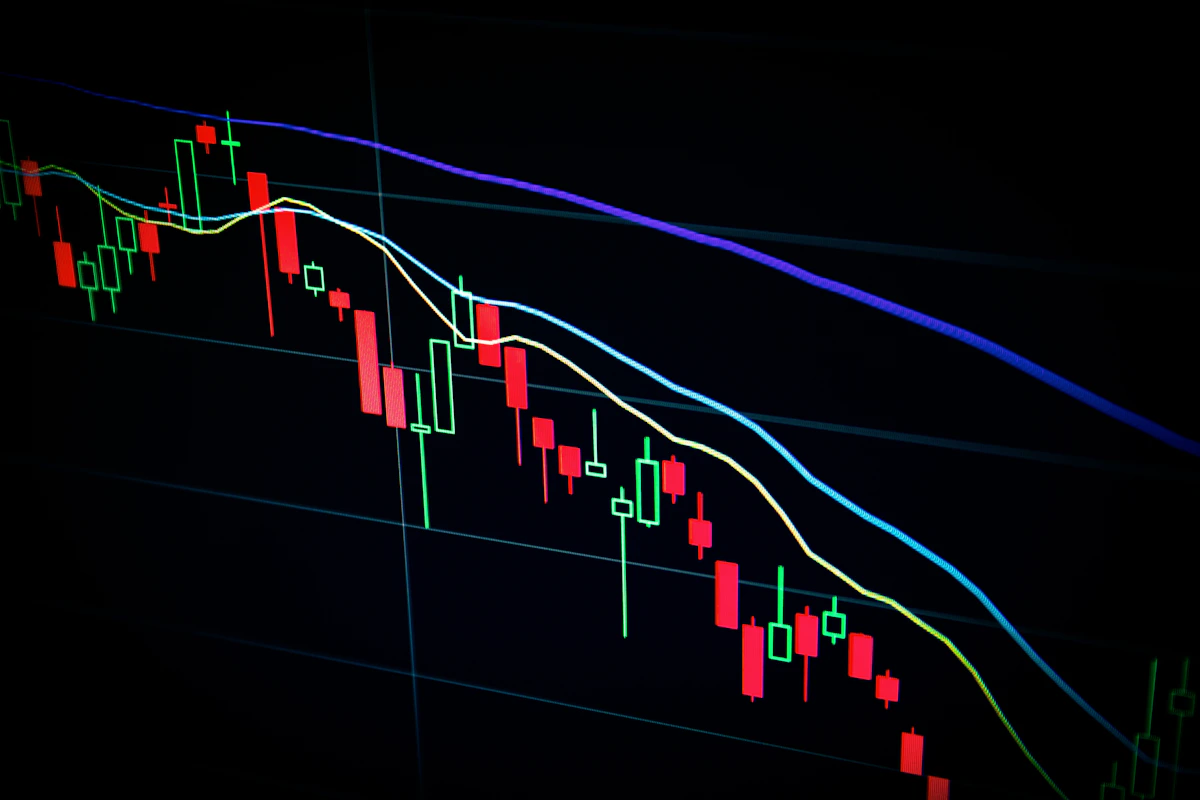
Stock market reforms 2026: Biggest overhaul in a decade | Source: SEBI / RBI notifications
⏰ EFFECTIVE FROM APRIL 1, 2026 — LESS THAN 48 HOURS LEFT! ⏰
⚠️ Breaking: SEBI, RBI, and the Finance Ministry have finalized the biggest structural overhaul since 2008. If you trade in F&O, invest in mutual funds, or hold stocks — these 10 changes will directly impact your profits, taxes, and leverage. Read carefully.
The clock is ticking. Starting April 1, 2026, India's financial markets will operate under a new rulebook — tighter leverage, higher taxes on derivatives, revamped mutual fund expenses, and stricter compliance. Whether you're a high-volume intraday trader or a long-term SIP investor, ignoring these changes could silently erode your wealth. Let's decode each reform and how to stay ahead.
1 STT Hike in F&O – Trading Just Got Expensive
Securities Transaction Tax (STT) on Futures & Options increased by 10–15% on total turnover. This is the government's move to cool down retail F&O frenzy.
📉 Impact: For every ₹1 crore of F&O turnover, you'll now pay significantly higher tax. Scalpers and high-frequency traders will see reduced net profitability.
✅ Action Plan: Shift from overtrading to high-probability setups. Every trade now has a higher cost — quality over quantity.
2 50:50 Margin – Half Cash, Half Collateral
New rule mandates 50% cash + 50% non-cash (shares, mutual funds) as margin. Brokers can no longer offer 100% cash margins.
📉 Impact: Leverage reduced drastically. Position sizes will shrink unless you bring more cash.
✅ Action Plan: Keep sufficient liquid funds. Avoid over-leveraging; use this as a risk-control blessing in disguise.
3 Leverage Cap – Broker Funding Tightened
SEBI caps leverage provided by brokers and NBFC partners. Unlimited intraday leverage is now history.
📉 Impact: Maximum exposure per client is reduced. Intraday trading volumes may drop.
✅ Action Plan: Align position size with actual capital. Risk management becomes non-negotiable.
4 Algo/API Trading Under SEBI Scanner
All third-party API orders must pass through broker's risk management. Stricter compliance and audit trails mandated.
📉 Impact: Free algo platforms may shut down; brokers may charge higher API fees.
✅ Action Plan: If you use algo trading, verify with your broker. Switch to approved platforms.
5 Client Fund Segregation – Brokerage Shake-up
Brokers can no longer use client funds for proprietary operations. Banks tighten lending norms to brokerages.
📉 Impact: "Zero brokerage" models may disappear. Smaller brokers could face consolidation.
✅ Action Plan: Stick with well-capitalized, listed brokers. Review their new margin policies.
6 Mutual Fund Overhaul – TER & Benchmark Rejig
SEBI mandates tighter alignment with benchmarks. Total Expense Ratio (TER) structure reworked; active funds may get costlier while index funds/ETFs become cheaper.
📉 Impact: Existing active funds may see TER increase. Passive investing gets a tailwind.
✅ Action Plan: Review all mutual fund holdings. Consider shifting core allocation to low-cost index funds/ETFs.
7 Debt Funds – New Liquidity Safeguards
Intraday borrowing by mutual funds now regulated to prevent liquidity crises, especially in debt and credit risk funds.
📉 Impact: Enhanced safety for debt fund investors; returns may become slightly more stable.
✅ Action Plan: Continue SIPs in debt funds with clarity on liquidity framework. Avoid high-risk credit funds unless you understand the new guardrails.
8 Buyback Tax Shift – Now on Investors
Earlier companies paid tax on buybacks. Now buyback proceeds will be taxed as income in the hands of shareholders (similar to dividend taxation).
📉 Impact: Higher tax outgo for investors in higher brackets. Net cash received from buybacks reduces.
✅ Action Plan: Factor this into tax planning. If you hold shares for buyback arbitrage, recalculate post-tax returns.
9 RBI Tightens USD Liquidity & Bank Holdings
RBI introduces stricter norms on banks' foreign securities holdings and intervenes more actively to stabilize INR, reducing volatility.
📉 Impact: Lower rupee volatility. IT sector (export-heavy) may see margin headwinds if rupee stabilizes; oil importers get relief.
✅ Action Plan: Track USD/INR. Adjust sectoral exposure — IT may underperform if rupee stops weakening.
10 Enhanced KYC & Beneficial Ownership Rules
SEBI mandates stricter periodic KYC updates and beneficial ownership disclosures for all trading accounts.
📉 Impact: Account opening may take longer; non-compliant accounts may face restrictions.
✅ Action Plan: Update PAN, address proof, income details with your broker immediately. Don't wait for last minute.
📊 Quick Reference: 10 Changes at a Glance
#
Change
Who is Impacted
1
STT Hike
F&O Traders
2
50:50 Margin
All Leverage Users
3
Leverage Cap
Intraday Traders
4
API Regulations
Algo Traders
5
Broker Funding
All Traders
6
Mutual Fund TER
MF Investors
7
Intraday Borrowing MF
Debt Fund Investors
8
Buyback Tax
Equity Shareholders
9
RBI USD Liquidity
Forex & Sectoral Investors
10
Stricter KYC
All Market Participants
🚀 How to Win in This New Market Structure
✅ For Traders: Lower leverage means stricter risk management. Stick to high-probability setups, avoid revenge trading. Capital preservation is now more valuable than ever.
✅ For Investors: Review mutual fund expense ratios. Shift to low-cost index funds/ETFs if active funds become expensive. Rebalance portfolio before April.
✅ For All: Update KYC, check broker policies, and follow RBI's USD/INR movements — they'll dictate sectoral trends for 2026.
📌 Final Word: The era of hyper-leverage and tax-advantaged F&O is ending. Discipline, low-cost investing, and adaptability will define the winners from April 1, 2026 onwards. Stay tuned to dTradeXpert for post-implementation deep dives.
⚠️ Disclaimer: This article is for educational and informational purposes only based on SEBI, RBI, and Finance Ministry circulars. Regulations are subject to change. Please consult your financial advisor, broker, or tax consultant before making any investment or trading decisions. Past performance does not guarantee future results.
The Friday Trap & The Precision Paradox: Why Professional Traders Stay Silent on the Last Trading Day Part 2
✍️ By Sandesh | DTradeXpert📅 March 28, 2026🧠 12 min read#TradingPsychology#OptionBuying
Market हर दिन एक नई चुनौती पेश करता है। लेकिन एक दिन ऐसा होता है जहां Risk-Reward Equation पूरी तरह बदल जाती है। वो दिन है Friday। अनुभवी traders जानते हैं कि Friday को trading करना एक high-stakes gamble है, जहां loss सिर्फ पैसे का नहीं, बल्कि आपके पूरे weekend की peace of mind का होता है।
आज हम समझेंगे कि क्यों Option Buying और Intraday Trading से Friday को बचना चाहिए। साथ ही जानेंगे कि Professional traders कैसे सोचते हैं और क्यों वो "Profit Maximize" नहीं, बल्कि "Mistake Minimize" पर फोकस करते हैं।
📊 Trading is 80% psychology — discipline beats impulse every single time.
🔻 Friday Trade के तीन Conditions
Imagine करो, Friday की 3:15 PM है। Market close होने वाला है। आपके पास एक open position है। अगले 48 घंटे का fate अगले 15 मिनट में तय होगा। आइए तीन scenarios देखते हैं:
✅ Condition 01: Target Hit हो जाए
आपने trade ली और target hit हो गया। आप खुश हैं। Profit book करके laptop बंद किया। लेकिन यहां एक खतरा है — Overconfidence। आप पूरे weekend खुद को congratulate करते रहेंगे। और Monday को aggressive trading करेंगे। यही overconfidence अक्सर बड़े loss का कारण बनती है।
Result: Short-term happiness, लेकिन long-term risk of overconfidence.
⚠️ Condition 02: Trade Open रहे (Weekend Purgatory)
Trade ना target hit हुई, ना stop loss। Position open है। अब आपके पास choice है — exit करें या hold करें। अगर hold किया, तो आपने अपना weekend का sukoon दांव पर लगा दिया।
Saturday: उठते ही phone check — global market कैसा है? Saturday Night: US market देख रहे हैं, Monday का calculation कर रहे हैं। Sunday: हर headline, हर news आपको परेशान कर रही है। Negative news आई तो पूरा Sunday खराब।
Result: 48 hours की anxiety और बेचैनी। ये trading नहीं, ये torture है।
💔 Condition 03: Stop Loss Hit हो जाए
Trade loss में गई, stop loss hit हुआ। Loss book कर लिया। लेकिन असली battle अब शुरू होती है — अपने mind के साथ।
पूरे weekend सोचते रहेंगे: "काश trade न ली होती...""क्या होता अगर थोड़ा रुक जाता..."
और फिर आता है सबसे dangerous thought: "Monday आने दो, फिर देखता हूँ मैं कैसे नहीं होता मुझे Profit!"
यही Revenge और Ego का trap है। यही mindset आपको बड़े loss की ओर ले जाती है।
⚖️ Democratic Verdict: सुकून ज्यादा Important है या Trade?
3 conditions में से 2 conditions आपको anxiety देती हैं। सिर्फ 1 condition peace देती है। तो भारतीय होने के नाते, democracy का respect करते हुए — सुकून ज्यादा Important है।
🕊️ अगर trade आपका weekend का sukoon चुरा रही है, तो वो trade लेने लायक नहीं है।
"मेरे लिए सुकून ज्यादा Important है, इसलिए Friday को मैं Trade करने से बचता हूँ। Market हमेशा खुलती है, लेकिन weekend की peace वापस नहीं आती।" — Sandesh | DTradeXpert
⏳ Option Buying में Patience का Illusion
अब समझते हैं कि Option Buying में सबसे बड़ा illusion क्या है। अधिकतर traders सोचते हैं: "थोड़ा और रुकता हूँ… profit आ जाएगा"
यही वो Trap है जहाँ Market quietly आपका पैसा निकाल लेता है। Options एक wasting asset हैं। हर सेकंड आपका premium melt हो रहा होता है। ये Theta Decay है।
Market आपकी patience को reward नहीं देता। Market reward देता है precision को। Professional trader "Profit Maximize" नहीं करता, वो "Mistake Minimize" करता है।
⏰ Option Buying में हर सेकंड कीमत कम हो रही होती है — precision beats patience.
📜 Real Rules of the Game — Pro का Code
1. First Move ही Real Move होता है
अगर entry के बाद तुरंत momentum नहीं दिखा, समझो कुछ गलत है। पहले 5-10 मिनट सब कुछ बता देते हैं।
2. Market आपकी सोच का Respect नहीं करता
आपका analysis सही हो सकता है, लेकिन timing नहीं। Option Buying में timing ही सब कुछ है।
3. Delay = Decay
हर सेकंड premium melt हो रहा है, especially near expiry। Theta never sleeps!
4. Perfect Exit नहीं होता
जो मिल रहा है, उसे लेना सीखो। Greed सबसे बड़ा killer है। Top पर बेचने का चक्कर अक्सर loss में बदल जाता है।
🧠 Biggest Shift: Amateur vs Pro Mindset
Amateur Trader पूछता है
Pro Trader पूछता है
"कितना profit बनेगा?"
"अगर गलत हुआ तो कितना loss होगा?"
"कहाँ buy करूँ?"
"मेरा stop loss कहाँ है?"
"कौनसी strategy सबसे ज्यादा profit देगी?"
"कौनसी strategy की probability सबसे high है?"
"loss कैसे recover करूँ?"
"ये loss क्यों हुआ? क्या सीखा?"
🎯 Precision beats patience — every single time in option buying.
🧘 निष्कर्ष: Your Friday, Your Future
Trading सिर्फ charts और indicators के बारे में नहीं है। यह energy management के बारे में है। अगर आप Friday को trade करते हैं और Conditions 2 या 3 में फंसते हैं, तो आप अपनी mental energy पूरे weekend drain कर रहे हैं। आप Monday को थके हुए, anxious और emotionally compromised entry करते हैं — यही blown account का सबसे तेज़ रास्ता है।
Friday को trading से बचकर आप सिर्फ अपना capital नहीं, बल्कि अपनी clarity भी protect करते हैं। Monday morning का calm mind किसी भी Friday afternoon gamble से ज्यादा valuable है।
📖 Learning Of The Day
Option Buying में सबसे बड़ा illusion है — "थोड़ा और रुकता हूँ… profit आएगा"
यही वो Trap है जहाँ Market quietly आपका पैसा निकाल लेता है।
याद रखो — Market reward नहीं देता patience को, Market reward देता है precision को।
Option Buying में survive वही करता है जो जल्दी accept कर लेता है कि वो गलत हो सकता है। बाकी लोग धीरे-धीरे Market को donation देते रहते हैं…
The Friday Trap & The Precision Paradox: Why Professional Traders Stay Silent on the Last Trading Day
✍️ By Sandesh | DTradeXpert📅 March 28, 2026🧠 9 min read#TradingMindset
The market is a battlefield, and every day presents a new skirmish. But for the seasoned Indian trader, there’s one day that stands apart—a day where the risk-reward equation tilts dramatically, and the cost of a single mistake is paid not just in rupees, but in peace of mind. That day is Friday.
For the uninitiated, Friday seems like any other trading day. But for those who have learned the hard way, it represents a high-stakes gamble with the weekend looming large. Today, we’re going to dissect the psychology, the mathematics, and the raw reality of why Option Buying / Intraday Trading on Friday is a game best left untouched. We’ll also delve into a foundational principle of our trading philosophy: the shift from seeking profit to meticulously minimizing mistakes.
📊 Trading is 80% psychology — discipline beats impulse every single time.
🔻 The Three Conditions of a Friday Trade
Imagine it’s 3:15 PM on a Friday. The markets are about to close. You have an open position. Your fate for the next 48 hours is sealed in the next 15 minutes. Let’s analyze the three possible scenarios:
✅ Condition 01: The Euphoric Target Hit
You took a trade, and it worked. Your target hit. You book a healthy profit. You are ecstatic. The immediate feeling is one of victory. You close your laptop, feeling like a market master.
But here’s the subtle cost: Your happiness is often accompanied by a dangerous aftertaste—overconfidence. You’ll spend the weekend mentally replaying your winning trade, congratulating yourself, and perhaps planning aggressive strategies for the next week. You start thinking, “I’ve cracked the code.” This inflated ego is the most fertile ground for a massive loss on Monday. A win on Friday often leads to a reckless Monday morning.
⚠️ Condition 02: The Weekend Purgatory (Trade Open)
This is the most torturous condition. You took a trade on Friday, but it didn’t hit the target, nor did it hit the stop loss. It’s floating—somewhere in between.
If you decide to hold, you have just sold your peace of mind for a gamble. Saturday you check global cues; Saturday night you watch US markets; Sunday anxiety peaks with every headline. Your weekend becomes a 48-hour vigil. You aren't living your life — you are a hostage to a trade that won’t resolve until Monday.
💔 Condition 03: Stop Loss Hit & The Revenge Spiral
You took a trade, and the market moved against you. Your stop loss is hit. You book a clean loss. But the real battle begins: “Why did I take it? What if I had waited?” And then comes the most dangerous thought — “Wait till Monday. I’ll show the market.”
This is the revenge and ego trap. You increase position size to recover fast. You ignore your own rules. This mindset doesn’t just lead to losses; it leads to disasters. A blown account often starts with a Friday loss and a Monday revenge trade.
🕊️ If a trade steals your weekend peace, it’s simply not worth taking.
⚖️ The Democratic Verdict: Sukoon > Trade
Let’s look at the numbers. Out of three possible scenarios on a Friday:
Scenario 1 (Win): brings happiness but potential overconfidence.
Two out of three conditions lead to a disturbed weekend. Only one leads to peace.
As proud Indians, we respect democracy. And by democratic vote, the verdict is clear: Peace is more important than a trade.
For me, and for every disciplined trader at DTradeXpert, Friday is a day for study, analysis, and preparation—not for execution. We value sukoon over the fleeting thrill of a Friday trade.
🎯 Jai Kedarnath — Kripa Apaar 🖤🐴
“My personal rule: Friday ko main trade karne se bachta hoon. Sukoon zyada important hai. Market hamesha kholti hai, lekin weekend ki peace wapas nahi aati.” — Sandesh
⏳ Beyond Friday: The Illusion of Patience in Option Buying
The biggest challenge in Option Buying is a fundamental misunderstanding of patience. Most traders believe, “I just need to hold a little longer.” This is the single biggest illusion — the trap where the market quietly extracts your capital while you wait for a movement that may never come.
The market does not reward patience. The market rewards precision.
A professional buyer doesn’t “profit maximize” — he mistake minimizes. Because surviving in the market is the real game. Every second you hold a losing option hoping for reversal, Theta is silently eating your premium.
📉 Delay = Decay (Theta is Your Enemy)
Every second that passes, the premium in your option melts. Think of an option like a taxi meter. The moment you buy, the meter starts running. If you don’t reach your destination quickly, the fare keeps climbing, even if you’re sitting still. Near expiry, this decay accelerates dramatically.
⏰ In option buying, every second costs you — precision beats patience.
🧠 The Paradigm Shift: From Profit to Precision
A professional trader doesn’t wake up asking, “How much profit can I make today?” A professional trader asks: “If I am wrong, how much will I lose?”
This shift in mindset separates amateurs from pros. The amateur dreams of profit. The pro defines risk first. By focusing on minimizing mistakes, you ensure you stay in the game long enough for opportunities to find you. Capital preservation is the #1 rule.
The Amateur Trader Asks
The Professional Trader Asks
"How much profit can I make?"
"If I am wrong, how much will I lose?"
"Where should I buy?"
"Where is my stop loss?"
"Which strategy has the highest reward?"
"Which strategy has the highest probability?"
"How do I recover my loss?"
"Why did I take that loss? What did I learn?"
📜 The Real Rules of the Game (Pro’s Code)
Here are the non-negotiable rules every option buyer must internalize. These are not suggestions — they are survival laws:
First move is the real move. If entry lacks immediate momentum, exit. Don’t argue with the tape. The first 5-10 minutes tell you everything.
Market doesn’t respect your analysis. You may be right directionally, but timing decides survival. Your chart doesn't control price.
Delay = Decay. Theta never sleeps. Especially near expiry. Every minute of hesitation reduces your edge.
No perfect exit exists. Greed kills. Take what the market offers. The one who waits for the top often ends up booking losses.
A professional buyer knows: First loss is the best loss. If a trade isn’t working, getting out immediately is a victory, not a defeat.
🎯 Precision beats patience — every single time in option buying. Know your levels.
💎 Biggest Shift: Amateur vs Pro Mindset
Amateur trader puchta hai: “Kitna profit banega?” Pro trader puchta hai: “Agar galat hua toh kitna loss hoga?”
Aur yahi mindset aapko game mein tikaaye rakhta hai.
Option Buying mein survive wahi karta hai jo jaldi accept kar leta hai ki woh galat ho sakta hai. Baaki log dheere-dheere market ko donation dete rahte hain…
Remember: The market’s job is to take money from the impatient and give it to the disciplined. Don’t trade your ego. Trade your edge.
✍️ Learning Of The Day — Real Wisdom from the Battlefield
“Option Buying mein sabse bada illusion hai: ‘thoda aur rukta hoon… profit aa jayega’
Yahi woh trap hai jahan Market quietly aapka paisa nikaal leta hai.
Yaad rakho — Market reward nahi deta patience ko, Market reward deta hai precision ko.”
A professional trader enters with a plan, exits with discipline, and never lets a trade become an identity.
🧘 Your Friday, Your Future
If you trade on a Friday and face Conditions 2 or 3, you drain your mental energy over the weekend. You enter the new week tired, anxious, and emotionally compromised — that’s the quickest path to a blown account. Markets are won by those who show up with clarity, not by those who show up with desperation.
By refraining from trading on Fridays, you protect not just your capital, but your clarity. A calm mind on Monday morning is worth more than any Friday afternoon gamble. You also give yourself time to review the week, journal your trades, and prepare for the next opportunity.
Trading is not just about charts and indicators. It is about energy management. If you’re part of the DTradeXpert community, embrace the discipline. Friday is for learning, backtesting, and preparation. Let the market do its thing. You enjoy your weekend with family, friends, and peace.
Jai Kedarnath… Kripa Apaar 🖤🐴
What’s your take? Do you trade on Fridays or do you prefer sukoon? Have you ever faced the Weekend Purgatory? Drop your thoughts in the comments below and share this with a fellow trader who needs to hear this.
The Cold Hard Truth of Option Buying | Time Decay & TSL | Dtradexpert
🇮🇳 The Cold Hard Truth of Option Buying: Time is Your Biggest Enemy
📅 22 मार्च 2026✍️ By Dtradexpert Team🏷️ Nifty & Bank Nifty Options⏱️ 8 मिनट read🇮🇳 Indian Market Focus
🇮🇳 NSE - BSE: भारतीय शेयर बाजार में Option Buying का खेल | Indian Stock Market
अगर आपने कभी Options ट्रेड किए हैं, खासकर Buyer के रूप में, तो आप ये महसूस किया होगा। आपने दिशा बिल्कुल सही पकड़ी। चार्ट्स ने बताया "Nifty ऊपर जाएगा", और Nifty ऊपर भी गया। फिर भी आपको Loss हुआ? Premium क्यों नहीं बढ़ा? यही है Option Buying का सबसे कड़वा सच।
Derivatives Market में, Option Buyer दो दुश्मनों से एक साथ लड़ता है। पहला है Market Direction (Delta) और दूसरा, जो ज्यादा खतरनाक है, वो है Time (Theta)। इस ब्लॉग में हम समझेंगे कि Time आपका सबसे बड़ा दुश्मन क्यों है, Option Buying सिर्फ एक "Momentum Game" क्यों है, और आपकी Capital को बचाने का एकमात्र हथियार: Trailing Stop Loss (TSL)।
70%
Option Buyers Time Decay की वजह से पैसा खो देते हैं
30-40%
Expiry Day पर Sideways Market में Premium की गिरावट
15 मिनट
का साइडवेज मूवमेंट भी आपकी पोजीशन खत्म कर सकता है
💡 Key Insight: Option Buyer के लिए सिर्फ दिशा सही होना काफी नहीं है। Timing भी सटीक होनी चाहिए। अगर Momentum नहीं है, तो Profit नहीं है।
1. बर्फ की सिल्ली वाला सच
Time Decay (Theta) कैसे पिघलाता है आपका पैसा
सोचिए, आपने गर्मी के दिन में एक बर्फ की सिल्ली (Option Premium) खरीदी। बर्फ पिघलेगी ही। लेकिन यहाँ आप सिर्फ धूप में नहीं हैं, बल्कि आप एक भट्टी के अंदर हैं जिसका नाम है "Derivatives Market"।
हर सेकंड, हर मिनट, हर घंटे आपकी बर्फ पिघलती है। इसे कहते हैं Time Decay, जिसे Mathematical भाषा में Theta कहते हैं। Theta बताता है कि समय बीतने के साथ Option की Value कितनी तेजी से घटती है।
ऐसा क्यों होता है? क्योंकि Expiration जैसे-जैसे पास आती है, Option के "In the Money" खत्म होने की Probability कम होती जाती है। Option एक Wasting Asset है। Stocks की तरह आप इसे सालों तक नहीं रख सकते।
❄️ Time Decay: हर गुजरते मिनट के साथ Option Premium पिघलता है | बर्फ की सिल्ली की तरह
🚨 Warning: Expiry के दिन, खासकर आखिरी 2 घंटों में, Theta इतना aggressive हो जाता है कि केवल तेज Momentum ही आपको बचा सकती है। Sideways market में तो Premium 30-40% तक गिर जाता है।
2. Momentum Game
Option Buying में "Buy and Hold" क्यों नहीं चलता?
अगर आप Stock Investment से आए हैं, तो आपको सिखाया गया है "buy and hold"। अगर आप यही Logic Option Buying में लगा देंगे, तो कुछ ही महीनों में आपका Account Blast हो जाएगा। Option Buying एक Pure Momentum Game है।
जब आप Option खरीदते हैं, तो आप असल में Volatility और Speed खरीद रहे होते हैं। आपको सिर्फ Market ऊपर जाना ही काफी नहीं, बल्कि उसे अभी और तेजी से ऊपर जाना होता है। उदाहरण देखिए:
🚀 Scenario A (Indian Market): आपने Nifty 22000 Call ₹100 पर खरीदी। Market 5 मिनट में 50 points चढ़ गया। आपकी Call अब ₹160 पर है। Profit: ₹60
🐢 Scenario B: आपने वही Call खरीदी। Market 50 points ऊपर गया, लेकिन इसमें 3 घंटे लग गए। आपकी Call ₹90 या उससे कम पर होगी। Loss: ₹10+
यही Option Buying का खेल है। आप Premium देकर तेज और explosive moves में भागीदारी खरीद रहे होते हैं। अगर Market सुस्त है, consolidating है, या "slow grind" कर रहा है, तो Option Buyer को नुकसान होना तय है।
🏎️ Option Buying = Momentum Game | Nifty/Bank Nifty में तेज रफ्तार ही लाभ दिलाती है
🔥 Pro Tip: अगर आप Trade Enter करें और पहले 15-30 मिनट में Market आपके पक्ष में तेजी से ना चले, तो Exit कर लें। "Wait" करना Option Buying में बहुत महंगा पड़ता है।
3. Sideways Market: सबसे बड़ा खतरा
ज्यादातर Beginner Traders Sideways Market के नुकसान को कम आंकते हैं। वो सोचते हैं, "कोई बात नहीं, Market नीचे तो नहीं जा रहा।" लेकिन Option Buying में Market का नीचे ना जाना काफी नहीं है। उसे आपकी दिशा में तुरंत जाना होता है। 1 घंटे का Sideways Market आपके Premium को 20-30% तक गिरा सकता है, भले ही Market आपके खिलाफ ना गया हो।
Market 60-70% समय Sideways रहता है। यानी अगर आप Random Trades ले रहे हैं, तो Trending Move पकड़ने से ज्यादा बार आप Time Decay का शिकार होंगे। यही कारण है कि selectivity बहुत जरूरी है। आपको सिर्फ तभी Trade लेना चाहिए जब Strong Momentum Setup हो।
📊 Sideways Market: जहां Option Buyer का सबसे बड़ा नुकसान होता है | Time Decay का सबसे खतरनाक रूप
4. बचाव का हथियार
Trailing Stop Loss (TSL)
जब खेल इतना क्रूर है, तो बचें कैसे? Screen पर दिख रहे Profits को अपनी जेब में कैसे डालें? जवाब है Trailing Stop Loss (TSL)।
बहुत से Traders जानते हैं कि Trade कैसे Enter करना है। लेकिन कम लोग जानते हैं कि Profit में आने के बाद Trade को कैसे Manage करना है। इंसान का दिमाग लालची होता है। जब आपको ₹10,000 का Profit दिखता है, तो आपको ₹20,000 चाहिए। अक्सर Market तेजी से Reverse होता है, आपका सारा Profit खत्म कर देता है, और आपका Stop Loss लग जाता है। Winner Trade Loser में बदल जाता है। TSL यही रोकता है।
🛡️ Trailing Stop Loss: आपका Profit बचाने का सबसे ताकतवर हथियार
📌 TSL क्या है? यह एक Dynamic Stop Loss है जो Price के साथ चलता है। जैसे-जैसे आपका Profit बढ़ता है, Stop Loss भी ऊपर (Call के लिए) शिफ्ट होता जाता है, जिससे Profit Lock हो जाता है।
Option Buying में TSL कैसे लगाएं?
TSL लगाने के कई तरीके हैं। आप Technical Indicators या Simple Percentage Method इस्तेमाल कर सकते हैं। ये हैं दो असरदार Strategies:
📊 Method 1: High-Low Trail (5-Minute Rule)
जब आपका Trade 20-30% Profit में आ जाए, तो 5-Minute Candle के High/Low को Track करना शुरू करें।
Call Options के लिए: Stop Loss पिछली 5-Minute Candle के Low पर रखें। जैसे-जैसे Market ऊपर जाएगा, Lows भी ऊपर जाएंगे। अगर Market Reverse होकर Recent Swing Low को तोड़ता है, तो Exit लें।
Put Options के लिए: Stop Loss पिछली 5-Minute Candle के High पर रखें।
📈 Method 2: Moving Average Trail
5-Minute Chart पर Short-term Moving Average जैसे EMA 9 या EMA 20 का इस्तेमाल करें।
जब तक Price 9 EMA के ऊपर (Call के लिए) रहे, तब तक Hold करें।
अगर Price 9 EMA को नीचे तोड़ता है, तो Exit लें। यह तेज Trend में आपका Profit Lock कर देता है।
🎯 TSL in Action: हर Green Dot दिखाता है कि Stop Loss कैसे ऊपर Shift होता जा रहा है
✅ सुनहरा नियम: Option Buying में आपका लक्ष्य Top या Bottom पकड़ना नहीं है। आपका लक्ष्य है Move के बीच का हिस्सा पकड़ना। TSL सुनिश्चित करता है कि आप थोड़ा जल्दी Exit लें, लेकिन अपना Profit लेकर।
5. Risk Management
सफल और असफल Trader में फर्क
मैं यह पर्याप्त जोर नहीं दे सकता: Capital preservation, profit maximization से ज्यादा महत्वपूर्ण है। Option Buying की तेज रफ्तार दुनिया में आपकी Capital आपका ईंधन है। अगर यह खत्म हो गई, तो खेल खत्म।
हर Option Buyer के लिए ये तीन नियम अनिवार्य हैं:
🎯 नियम #1: Entry से पहले Risk Define करें। बिना Stop Loss के कभी Trade ना लें। Maximum Loss आपकी Total Capital का 2-3% से ज्यादा नहीं होना चाहिए।
🌙 नियम #2: Weekly Expiry में Overnight ना रखें। Gap Risk बहुत बड़ा है। साथ ही, Theta Decay आपके सोते समय भी काम करता है। अगर रखना ही है, तो Hedge करें या Monthly Options लें।
🎲 नियम #3: "Lottery Tickets" से बचें। बहुत सस्ते, बहुत दूर के Out-of-the-Money (OTM) Options जिनमें Expiry को 0.5 से 1 दिन बचा है, यह Trading नहीं, जुआ है। Success की Probability 5% से भी कम है।
🔒 Capital Preservation: Option Buying में आपकी पहली प्राथमिकता
6. Real-Life Trade Scenario
Bank Nifty Expiry Day पर असली ट्रेडिंग
चलिए Bank Nifty Expiry Day का एक लाइव सीनारियो देखते हैं।
📋 Trade Setup: Bank Nifty 9:15 AM पर Flat Open होता है। आपको 9:45 AM पर 47000 के ऊपर High Volume Breakout दिखता है। आप 47000 Call Option ₹120 पर खरीदते हैं।
⏰ 9:50 AM: Price 47050 तक जाता है। आपकी Call ₹150 पर है। आप Stop Loss Entry Price (₹120) पर Shift करते हैं। Risk Eliminated ✓
⏰ 10:15 AM: Price तेजी से 47200 तक जाता है। Volatility बढ़ती है। आपकी Call अब ₹300 पर है। आप Stop Loss ₹250 पर Trail करते हैं (5-min Low का इस्तेमाल करके)।
⏰ 10:45 AM: Price 47350 पर, Premium ₹450। Market में थकान के संकेत दिखते हैं। आप SL ₹380 पर Trail करते हैं।
⏰ 11:00 AM: Price तेजी से 47250 तक वापस आता है, आपका TSL ₹380 पर लग जाता है।
💰 परिणाम: आपने ₹260 प्रति लॉट का Profit Book किया (380 - 120)। अगर आप TSL ना लगाते, तो ₹450 से ₹0 तक जाते हुए देखते। यही Skill है—Profits को Lock करना।
💰 Screen पर दिख रहा Profit तब तक Profit नहीं है जब तक वो आपके Bank Account में ना आ जाए | TSL यह सुनिश्चित करता है
📉 Market Psychology: "Screen profits are not real profits. Profits that are booked and transferred to your bank are real." TSL आपको Illusion और Reality के बीच का फर्क समझाता है।
"भारतीय Market में Option Buying सिर्फ दिमाग का खेल नहीं, अनुशासन का खेल है।"
निष्कर्ष: खेल में महारत
Option Buyer का सफर चुनौतियों से भरा है। आप Time, Volatility Contraction और अपनी Psychology से लड़ रहे हैं। Market आपकी patience की परीक्षा लेगा। यह आपको Profits देगा और सेकंडों में छीन लेगा, अगर आप Disciplined नहीं हैं।
सफल होने के लिए, आपको तीन सच्चाइयों को आत्मसात करना होगा:
⏰ Time is your enemy: Theta का सम्मान करें। Losing Positions को उम्मीद में ना पकड़े रखें।
⚡ Momentum is your friend: तभी Trade लें जब High Velocity और Volume हो। Sideways Market से बचें।
🛡️ TSL is your armor: Trailing Stop Loss को धर्म बना लें। Screen Profit को Real Profit में बदलना ही सबसे बड़ी कला है।
🏆 अनुशासन और सही Risk Management ही Option Buying में दीर्घकालिक सफलता की कुंजी है
Option Buying कमजोर दिल वालों के लिए नहीं है। यह एक परिष्कृत खेल है जिसमें Precision, Discipline और Market Mechanics की गहरी समझ चाहिए। Dtradexpert.online पर हम आपको इस जटिल दुनिया को स्पष्टता और आत्मविश्वास से नेविगेट करने में मदद करने के लिए समर्पित हैं।
याद रखें: Market में यह मायने नहीं रखता कि आप एक Trade में कितना बनाते हैं; यह मायने रखता है कि आप सौ Trades में कितना रख पाते हैं। Disciplined रहें, TSL का इस्तेमाल करें, और समय का सम्मान करें।
📚 अधिक जानने के लिए:
हमारे Telegram Channel से जुड़ें और रोजाना Trading Insights, Setups और Risk Management Strategies पाएं। ⬇️ Dtradexpert Official Channel ⬇️